
Interconnected Production and Ecological Economy: Qingdao Example
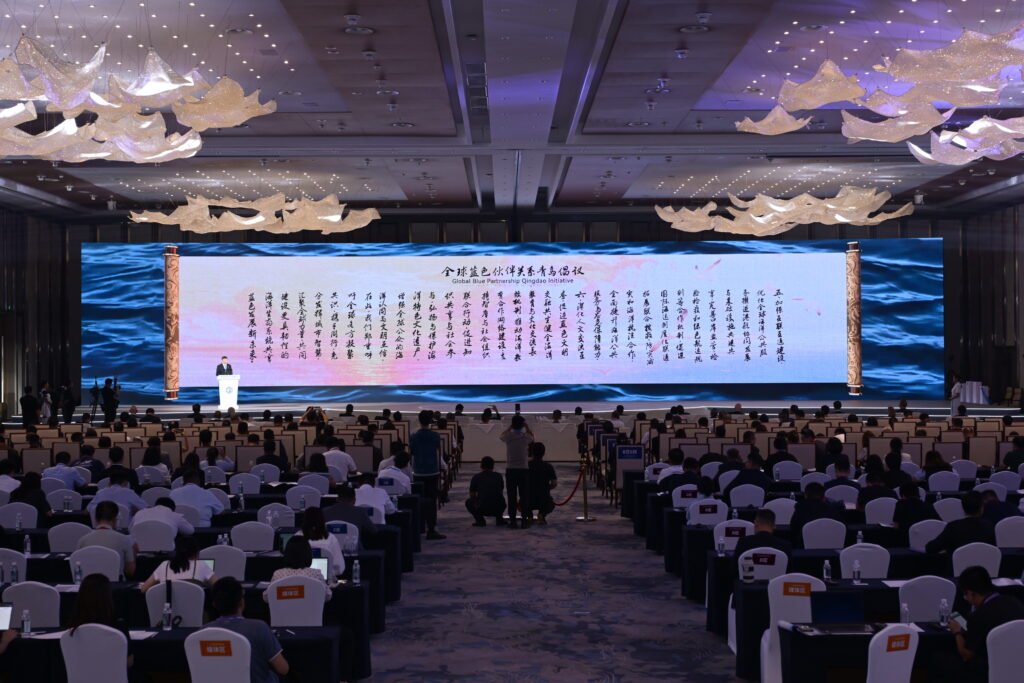
A region’s ecological conditions fundamentally shape the nature and quality of its economic activities. In this regard, it is crucial that local administrative bodies possess an in-depth understanding of the territories under their governance, develop economic plans aligned with the region’s ecological characteristics, and build the necessary infrastructure accordingly. The more profound the administrative capacity […]
An Example of a State-Owned Enterprise in China: The Longjiang Forest Industry Group
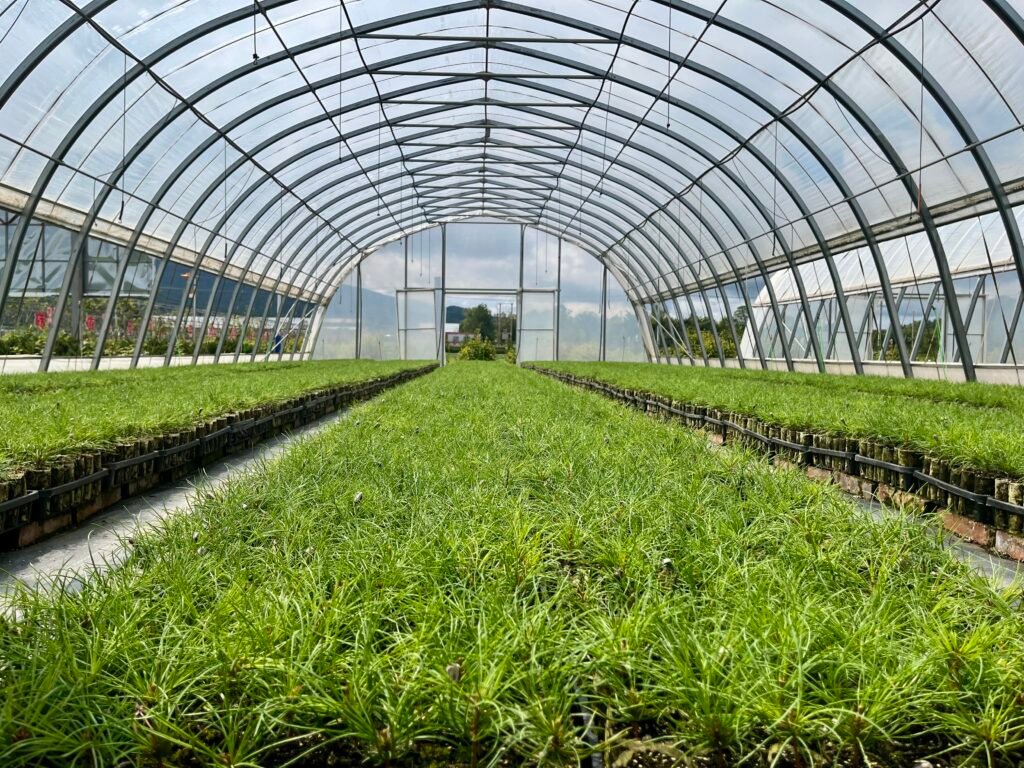
In Turkiye, State-Owned Enterprises (SOEs) are evaluated under two main statutes: Public Economic Institutions (PEIs) and Economic State Enterprises (ESEs). In both statutes, the capital belongs to the state; the fundamental difference between them stems from the principles under which they operate. PEIs operate with a focus on public service and social benefit, working on […]
Guizhou Green Expo Park: A Model of Sustainable Development and Cultural Integration

Located in Duyun City, Guizhou Province, the Green Expo Park stands as a tangible example of China’s ecological modernization strategies. Launched in 2020 as part of the 4th China Green Development Forum, this project spans 396 hectares and represents a successful public-private partnership. Designed with sustainable development goals in mind, the park serves as both […]
Local Development Policies in China Through Duyun Maojian Tea: Strategic Balances between Agriculture, Culture, and Economy

Chinese President Xi Jinping’s statement during his 2014 meeting with the National People’s Congress representatives from Guizhou Province — “Promote the Duyun Maojian tea brand beyond the region” — was not merely a symbolic directive. It also marked the beginning of a comprehensive transformation centered on agricultural development for the Guizhou region. In line with […]
“Green Mountains and Clear Waters Are Invaluable Assets”: Building Ecological Civilization in Guizhou – Part 1

Under the leadership of the Communist Party of China (CPC), the government of the People’s Republic of China actively guides both the public and private sectors toward meticulously formulated development goals across a wide spectrum of fields—from industry to tourism, from technology to education, from ecological urban planning to the preservation and revitalization of cultural […]
Objective Necessities and Humanity

Scientists, based on the laws of physics and the material composition of the universe, have long proposed various theories regarding the ultimate fate of the cosmos—such as the Big Freeze, Big Rip, or Big Crunch. While these scenarios are constructed upon timescales that are beyond human imagination, they nevertheless offer insight into the ultimate purpose […]
China’s One-Party Leadership System and Liberal Democracy
Current Conditions and the Desired Future Imagining a desired societal future is the easiest part of the task. However, merely having a vision for the future is insufficient; a will that guides and sustains the causal chain toward this future must be established. To shape this will with minimal friction, it is first necessary to […]
Social Thought Structures, Morality and Confucianism

Social Thought Structures and Morality It is no coincidence that civilizations have been built on a religion or a comprehensive philosophy according to their material and cultural climates. Religion and social thought structures have functioned as a definitional basis that creates cultural identity and as codes that justify different forms of societal organization. The narratives […]