
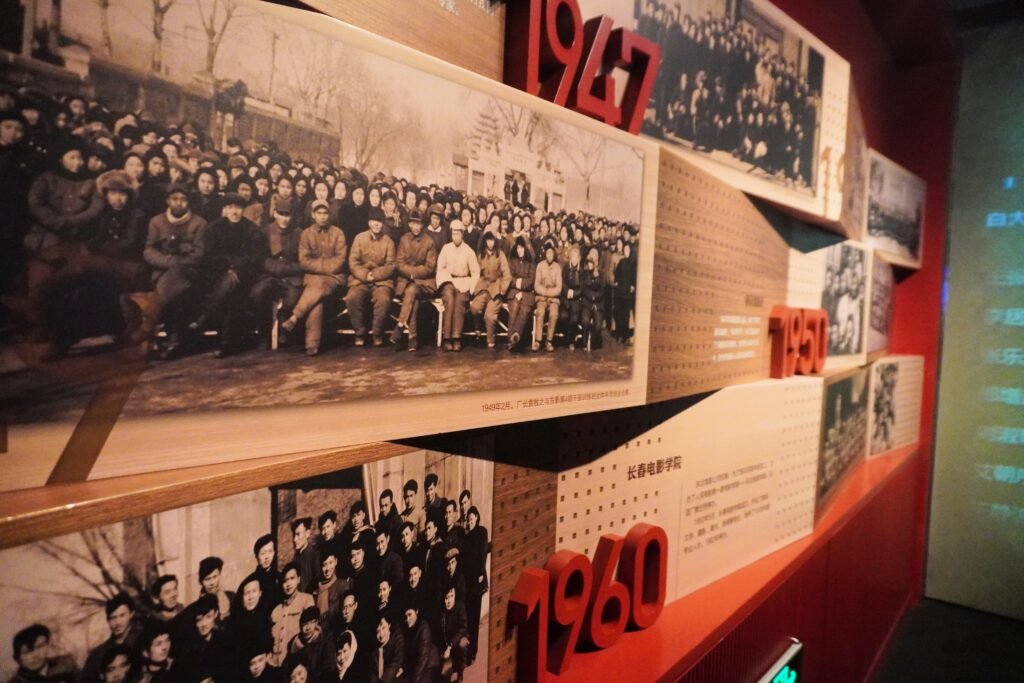
Changchun Film Studio (长春电影制片厂) occupies a distinctive position in the history of Chinese cinema, extending far beyond its role as a mere film production facility. It is more accurately understood as a cultural workshop in which the modern cultural identity of China was actively constructed. As the first major film institution established under the direct control of the Chinese Communist Party, the studio embodied the idea of cinema as a “people’s educator” and an ideological apparatus during China’s socialist transformation. In this sense, its designation as the “cradle of Chinese cinema” does not simply refer to chronological precedence, but rather to the initiation of a systematic model through which cinema was consciously integrated into state policy and national narrative-building.
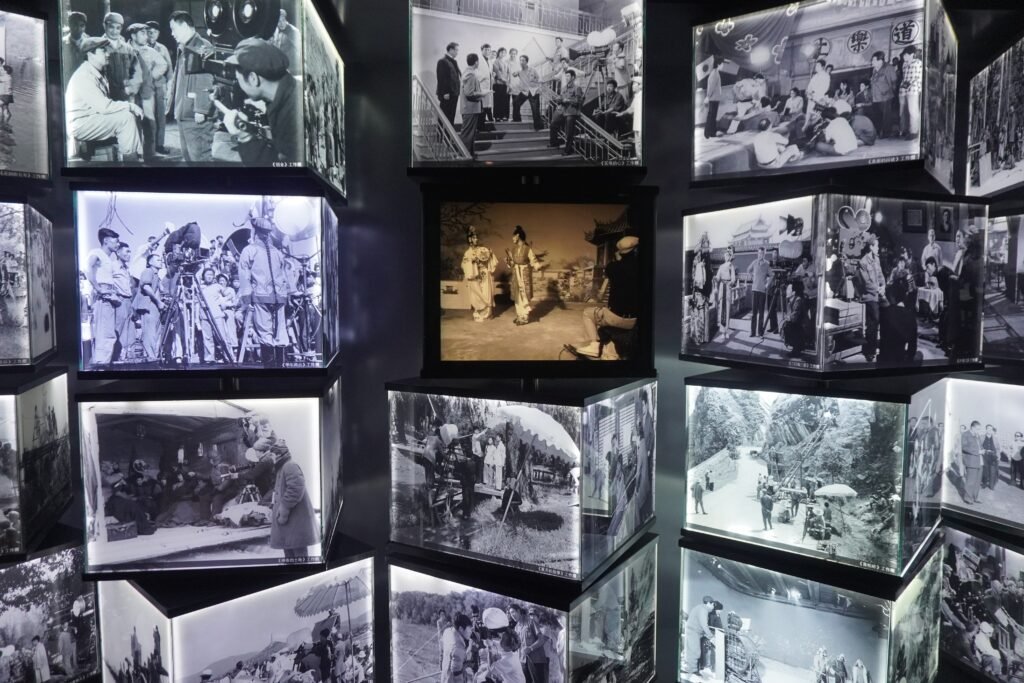
The studio’s early productions clearly reflect this institutional mission. Its first feature-length film, The Bridge (桥, 1949), represents not only a technical milestone but also a manifesto of socialist realism, celebrating collective labor and revolutionary solidarity. Similarly, opera adaptations such as The White-Haired Girl (白毛女) translated themes of class struggle and peasant revolution into a visual language accessible to mass audiences. Completed in 1948, Catching a Turtle in a Jar (瓮中捉鳖), recognized as China’s first black-and-white animated film, stands as an early example of the studio’s technical experimentation and creative ambition. Operating at the time under the name Northeast Film Studio, Changchun Film Studio also released A Common Soldier (普通一兵) in 1949, China’s first foreign film dubbed into Chinese, thereby establishing practices that would shape the country’s cinematic consumption for decades.
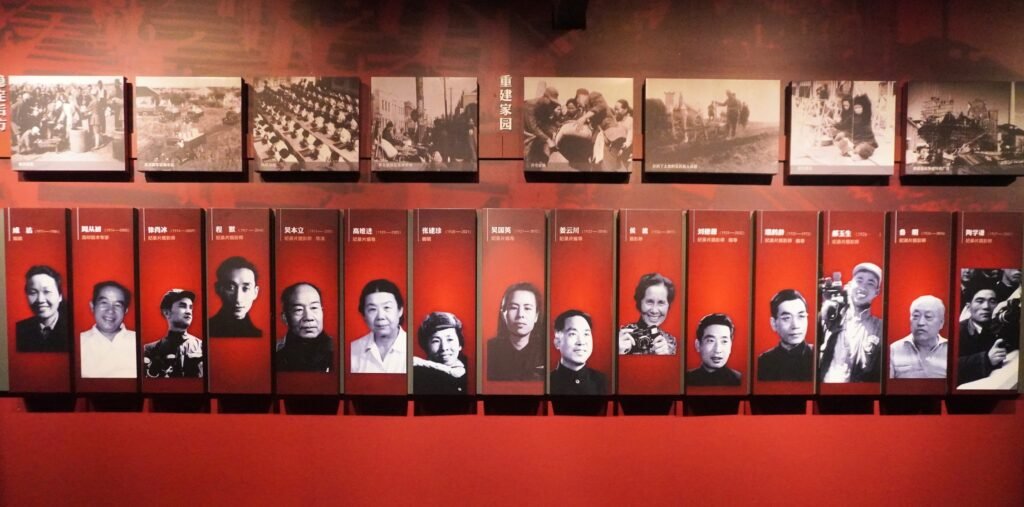
The directors, screenwriters, and technical staff trained at Changchun Film Studio during this formative period later contributed to the establishment of other major institutions, including the Shanghai Film Studio, and played a decisive role in defining the aesthetic and organizational framework of socialist-era Chinese cinema.
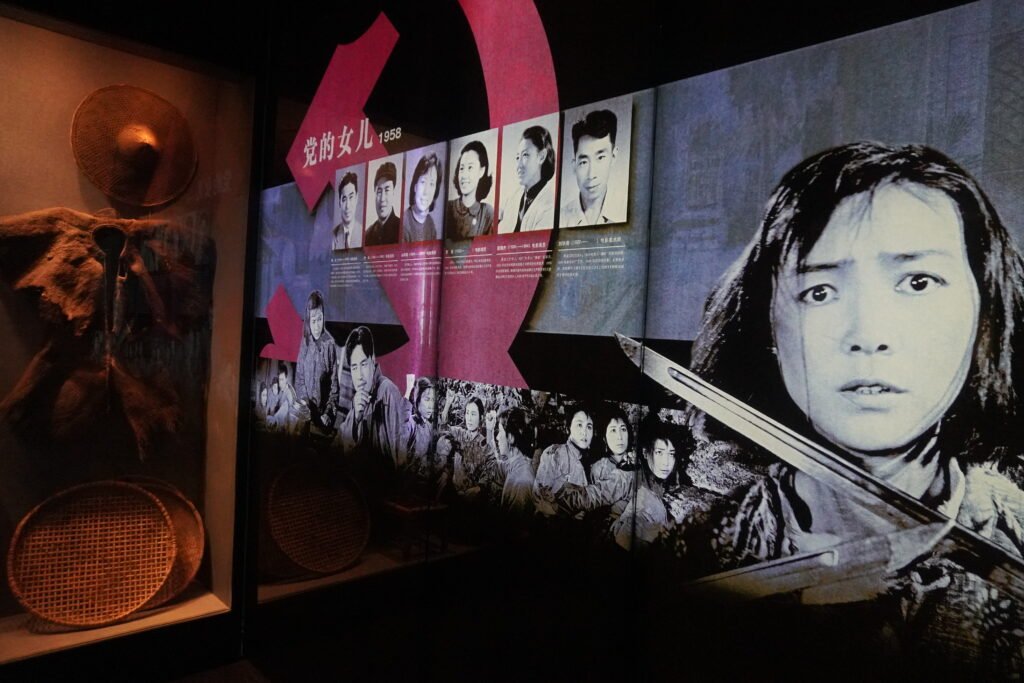
Another emblematic production of the studio is The Party’s Daughter (党的女儿), a canonical work of socialist realist cinema that combines ideological instruction with popular melodramatic elements. Produced in 1959 and directed by Lin Nong, the film depicts the sacrifices of ordinary women fighting within the ranks of the Communist Party during the Chinese Civil War (1945–1949). As part of the “Ten Great Films” created to commemorate the tenth anniversary of the founding of the People’s Republic of China, it became a significant vehicle for revolutionary historical narration.
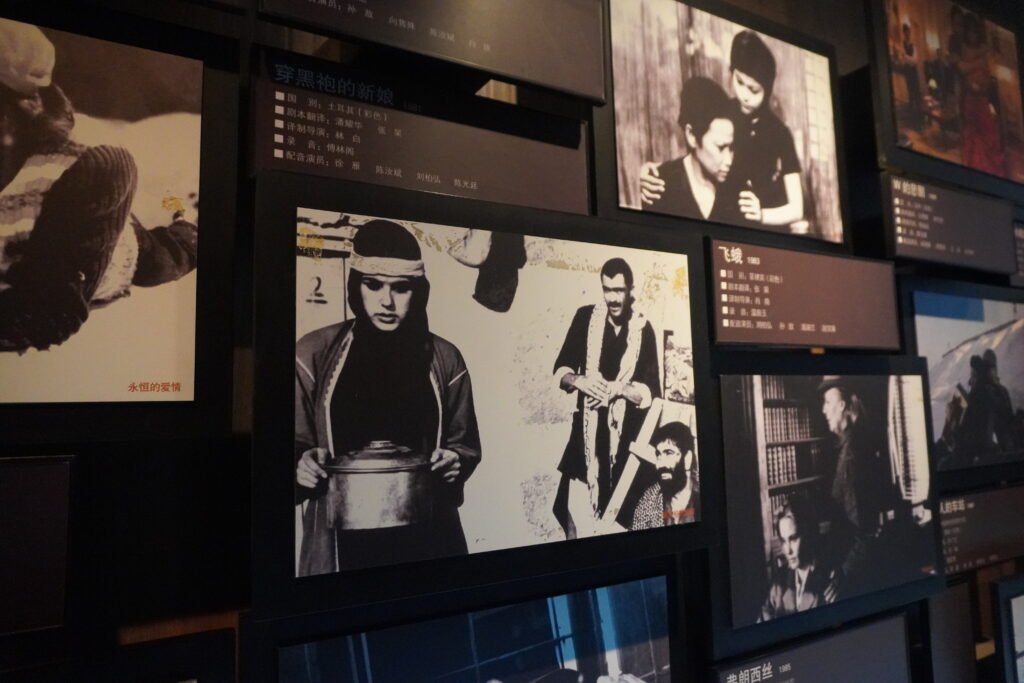
To date, Changchun Film Studio has produced more than 1,000 feature films and has dubbed a similar number of foreign films into Chinese, introducing them to domestic audiences. Alongside classics that have shaped generations, the studio has also been responsible for films that received awards at international festivals. Moreover, by training over 2,000 film professionals, it has functioned as a vital talent reservoir for the Chinese film industry.
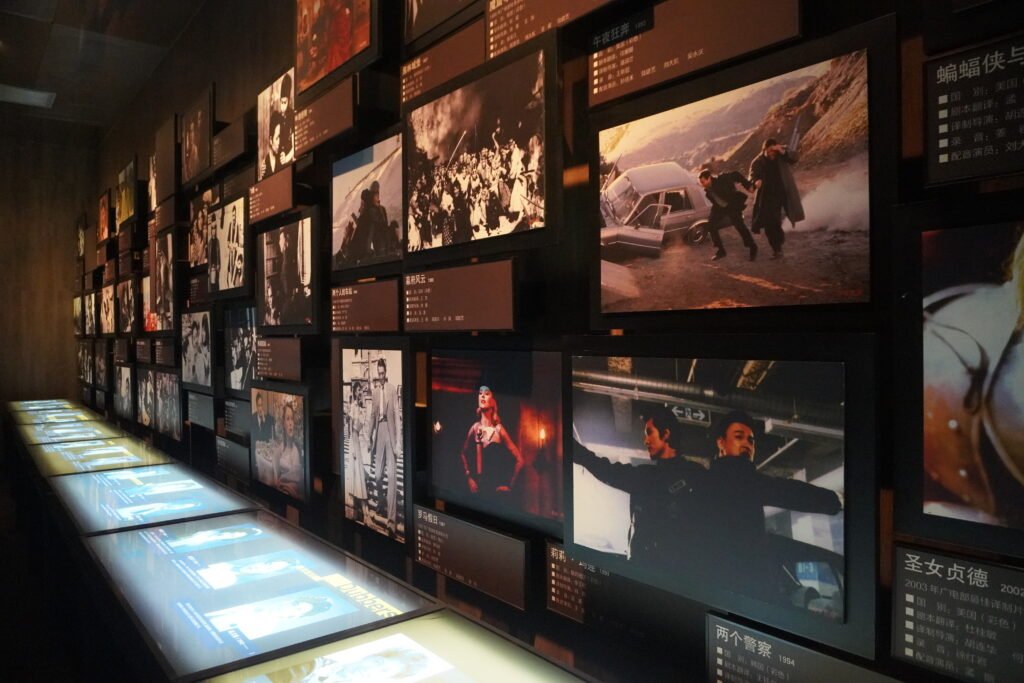
In the contemporary period, the institution has been restructured as the “Changchun Film Group,” integrating film production, distribution, television content creation, and the operation of themed cultural parks. Viewed in historical perspective, Changchun Film Studio represents a founding moment in which culture and politics, industry and art, and history and narrative became deeply intertwined. Its enduring influence remains essential for understanding the background of China’s current rise on the global cinematic stage.